
Blog
Ethical Jewellery: What It Is and Why It Matters
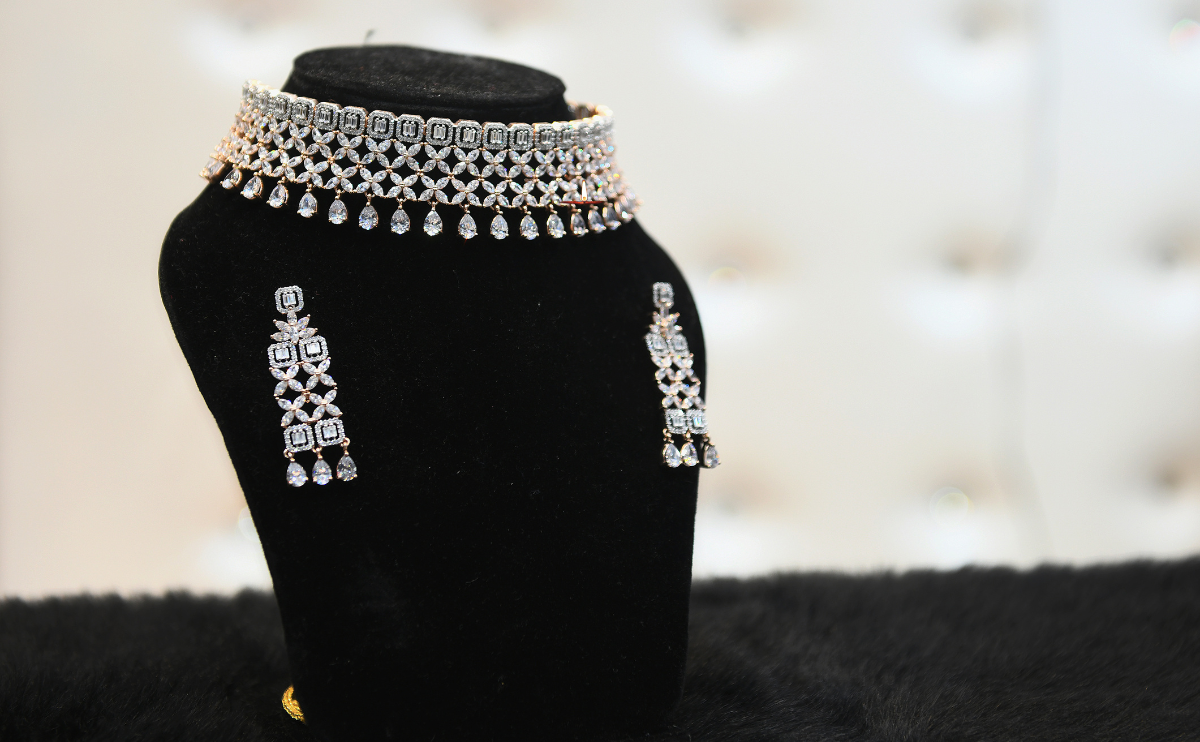
In an era where conscious consumerism is on the rise, ethical jewellery has gained significant attention. As more people become aware of the environmental and social impacts of their purchasing decisions, the demand for ethically sourced and produced jewellery has grown. But what exactly is ethical jewellery, and why does it matter?
What Is Ethical Jewellery?
Ethical jewellery refers to pieces that are crafted with a commitment to minimizing harm to people and the planet. This includes ensuring that the materials used are sourced responsibly, that workers involved in the production process are treated fairly, and that the environmental footprint of the jewellery is reduced as much as possible.
Key aspects of ethical jewellery include:
- Responsibly Sourced Materials: Ethical jewellery makers use materials that are mined or produced in ways that do not exploit workers or harm the environment. This often means using conflict-free diamonds, Fairtrade gold, recycled metals, and ethically sourced gemstones. These materials are traced back to their origins to ensure that they come from suppliers who adhere to strict ethical standards.
- Fair Labor Practices: Workers involved in the mining, cutting, and crafting of ethical jewellery are paid fair wages and work in safe conditions. This commitment to fair labor practices helps to combat exploitation and poor working conditions that are often associated with the jewellery industry.
- Environmental Sustainability: Ethical jewellery brands prioritize sustainability by reducing waste, minimizing energy consumption, and avoiding harmful chemicals in the production process. Some brands also use recycled metals and gemstones, which reduces the need for new mining and lessens the environmental impact.
- Transparent Supply Chains: Transparency is a hallmark of ethical jewellery. Brands that commit to ethical practices often provide detailed information about where their materials come from, how they are sourced, and the conditions in which they are produced. This transparency allows consumers to make informed decisions and trust that they are supporting responsible practices.
Why Ethical Jewellery Matters
The importance of ethical jewellery extends beyond the individual consumer. It touches on broader issues of human rights, environmental preservation, and social responsibility. Here’s why ethical jewellery matters:
- Protecting Human Rights: The jewellery industry has a history of human rights abuses, particularly in regions where diamonds and precious metals are mined. By choosing ethical jewellery, consumers can help reduce the demand for goods that are linked to child labor, unsafe working conditions, and unfair wages. This shift in demand encourages the industry to adopt better practices, ultimately protecting the rights and well-being of workers.
- Preserving the Environment: Mining for precious metals and gemstones can have devastating effects on the environment, including deforestation, water pollution, and habitat destruction. Ethical jewellery brands that prioritize sustainability help mitigate these impacts by using recycled materials, supporting responsible mining practices, and reducing their overall environmental footprint.
- Supporting Fair Trade: Ethical jewellery supports fair trade practices, ensuring that artisans and miners are paid fairly for their work. This not only improves the quality of life for workers but also contributes to the economic development of their communities.
- Encouraging Industry Change: As consumer demand for ethical jewellery grows, it sends a powerful message to the industry that responsible practices are a priority. This can lead to widespread changes in how jewellery is sourced and produced, fostering a more ethical and sustainable industry.
Conclusion
Ethical jewellery is more than just a trend—it’s a movement toward a more responsible and sustainable future. By choosing jewellery that is ethically sourced and produced, consumers can play a part in protecting human rights, preserving the environment, and supporting fair trade practices. In doing so, they not only invest in beautiful pieces that they can cherish for a lifetime but also contribute to a positive impact on the world.